643,339 views. 231 likes. Here's what the first four seconds did.
Whatever Ralph Lauren's paid flight cost, it bought 98,998 views of a film whose best moment arrives fourteen seconds after the viewer is handed a skip button. We scored every beat with 179 simulated viewers. The creative is not the problem.
Updated 26 August 2026
What we would change, before you read the evidence for it: open on the joke, and cut a separate edit for the placement that only gives you five seconds. Everything below is why.
The film
"Wimbledon's Chief Inspectors of Excellence" runs 143 seconds. Two children, Lily and Oliver, are appointed Ralph Lauren Chief Inspectors and sent to audit the tournament: net height, grass length, colour swatches, the strawberries, the ball boys' uniforms, and a resident hawk called Rufus. It is charming, well made, and it earns its jokes.
We ran it through the simulation layer: 179 simulated viewers, each scoring all twelve beats. All 179 reacted positively. Not one detractor, and the panel agreed with itself more closely than on any comparator film we have run.
The segment write-ups say the same thing in words. A simulated viewer in the 45–54 casual-consumer segment: "This is exactly the kind of smart, warm storytelling that makes me trust a brand. The attention to detail — both in what Wimbledon actually does and how this is made — feels genuine, not performative." Every one of the six segments came back fully positive, with no neutral and no negative share.
So the simulated verdict is unambiguous. If you watch this film, you like it.
The four seconds that decided it
Then we looked at where it peaks, and where it doesn't.
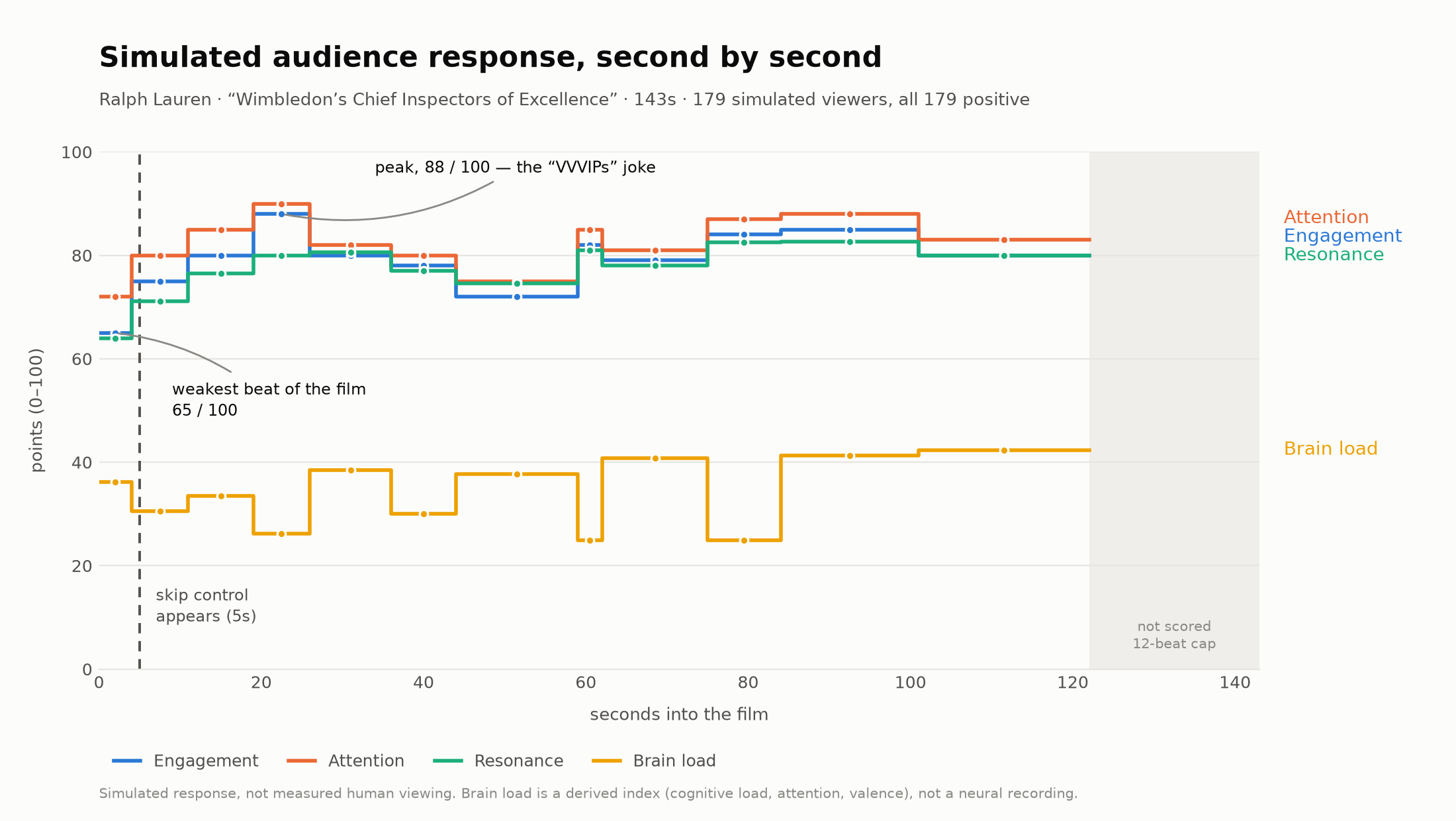
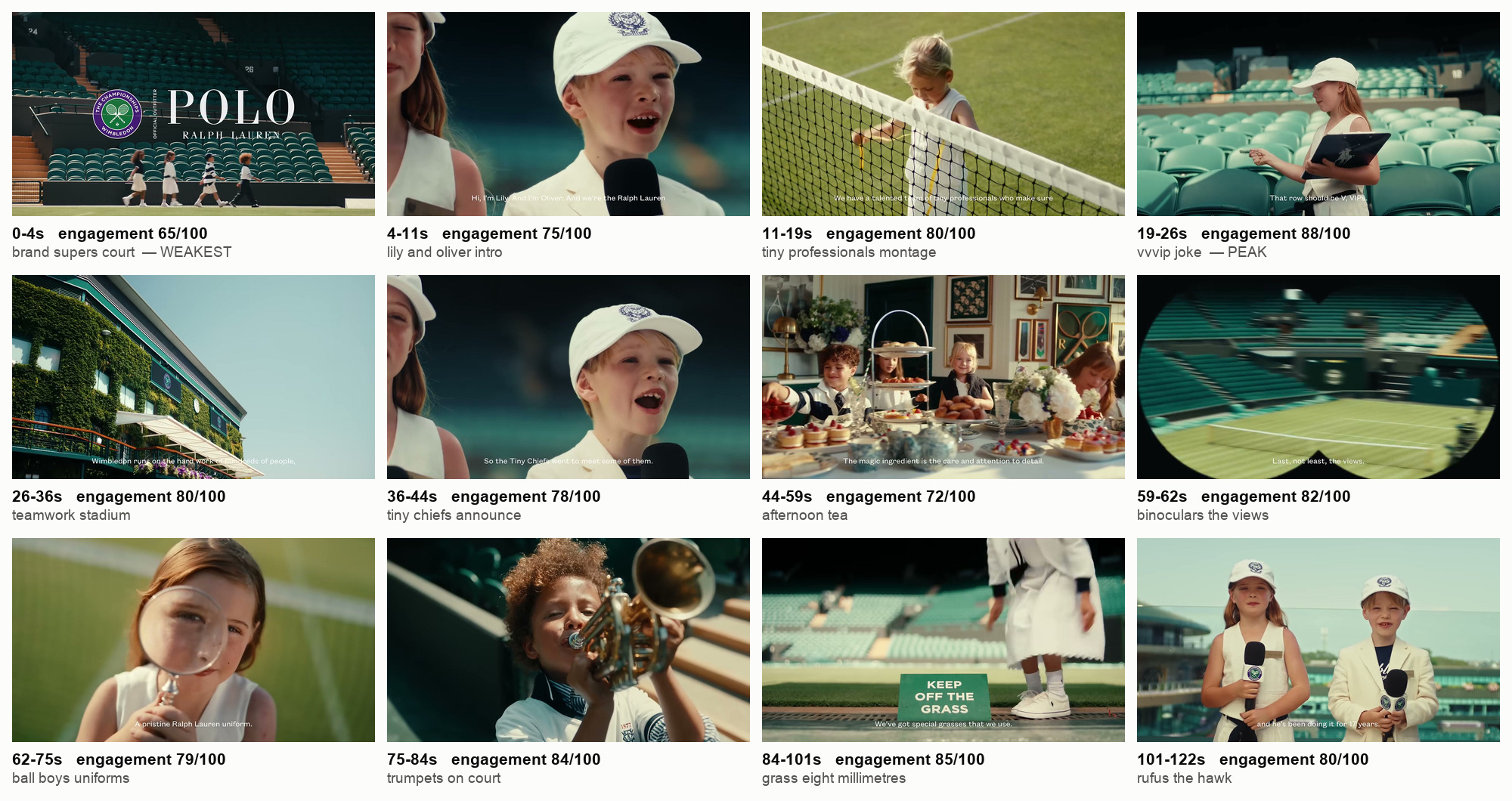
The weakest four seconds of the film are its first four. 70 out of 100 — the lowest score anywhere in 143 seconds, against a peak of 88. Those four seconds are brand supers over a wide shot of children walking onto the court. Nothing has happened yet. The first cut lands at 4.48 seconds.
On a skippable in-stream placement, the skip control appears at five seconds.
 70 / 100
 88 / 100
Everything most viewers saw
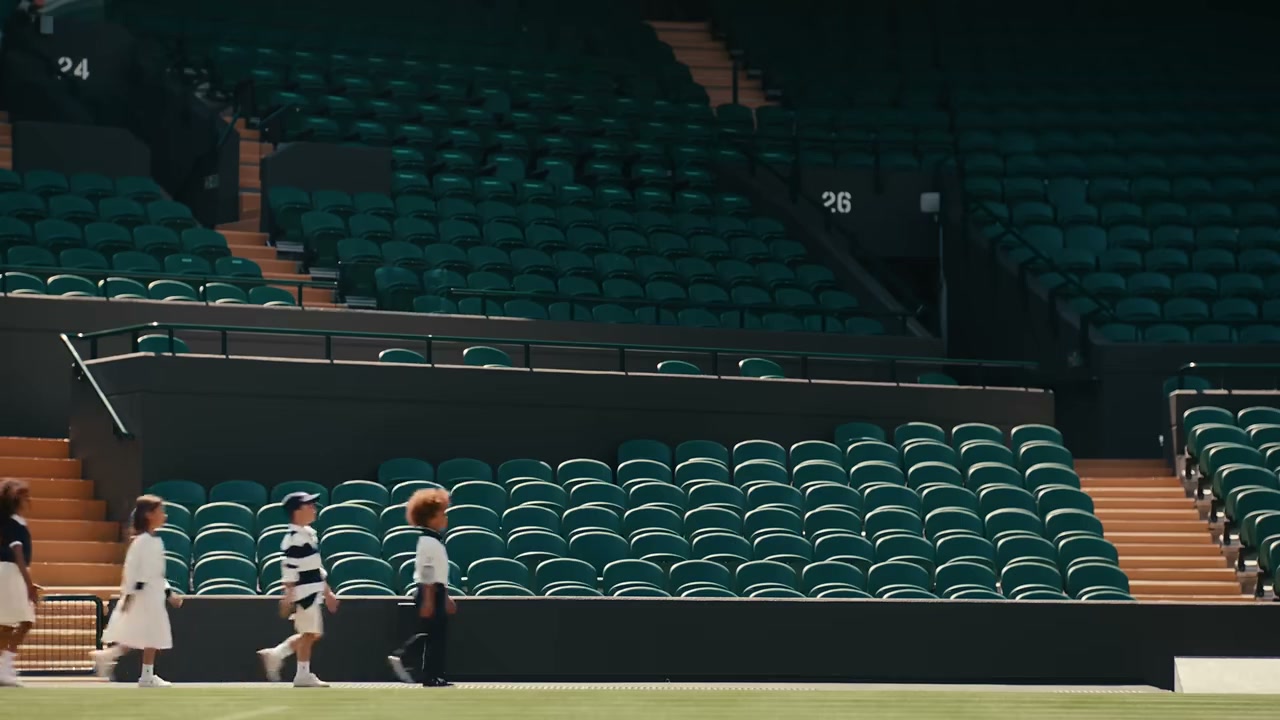
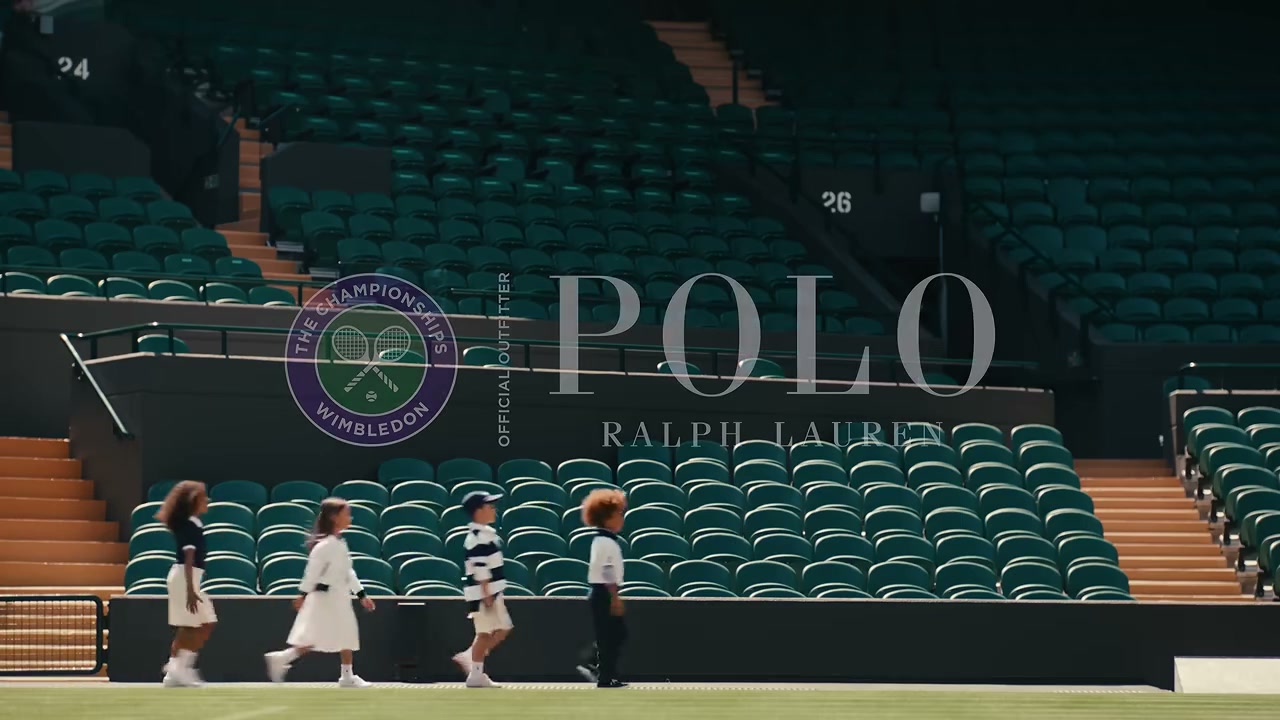

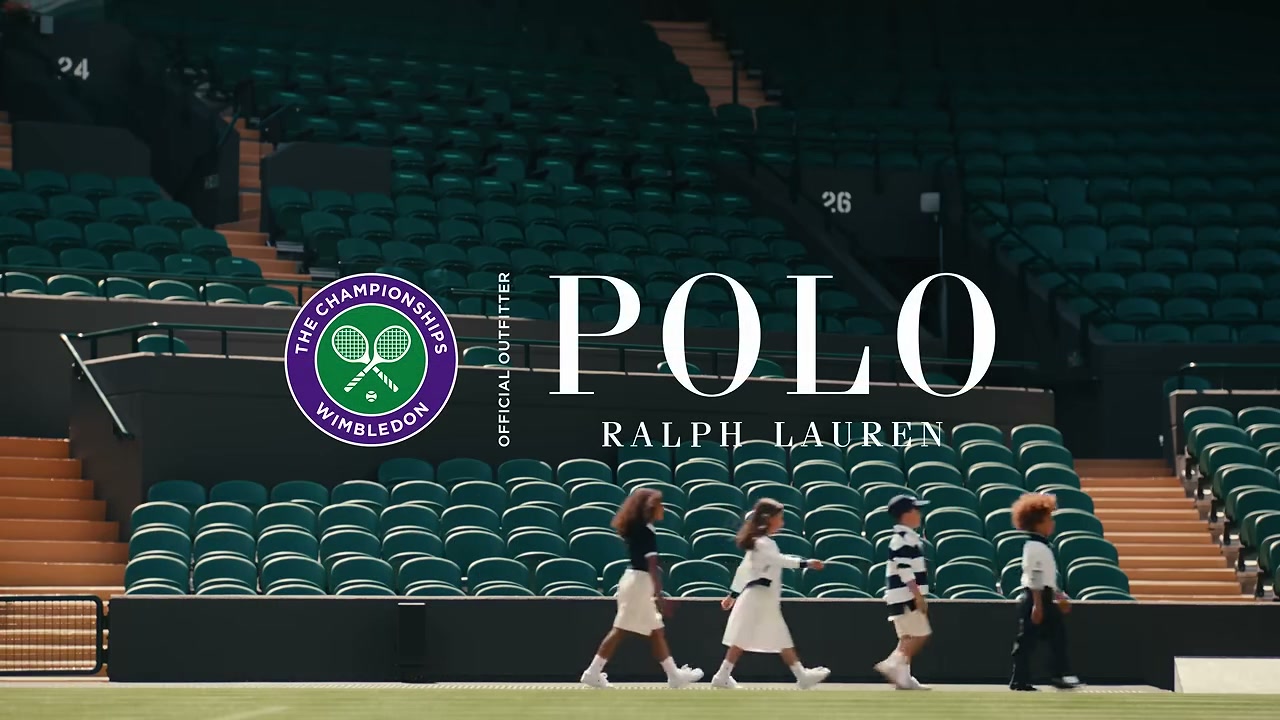
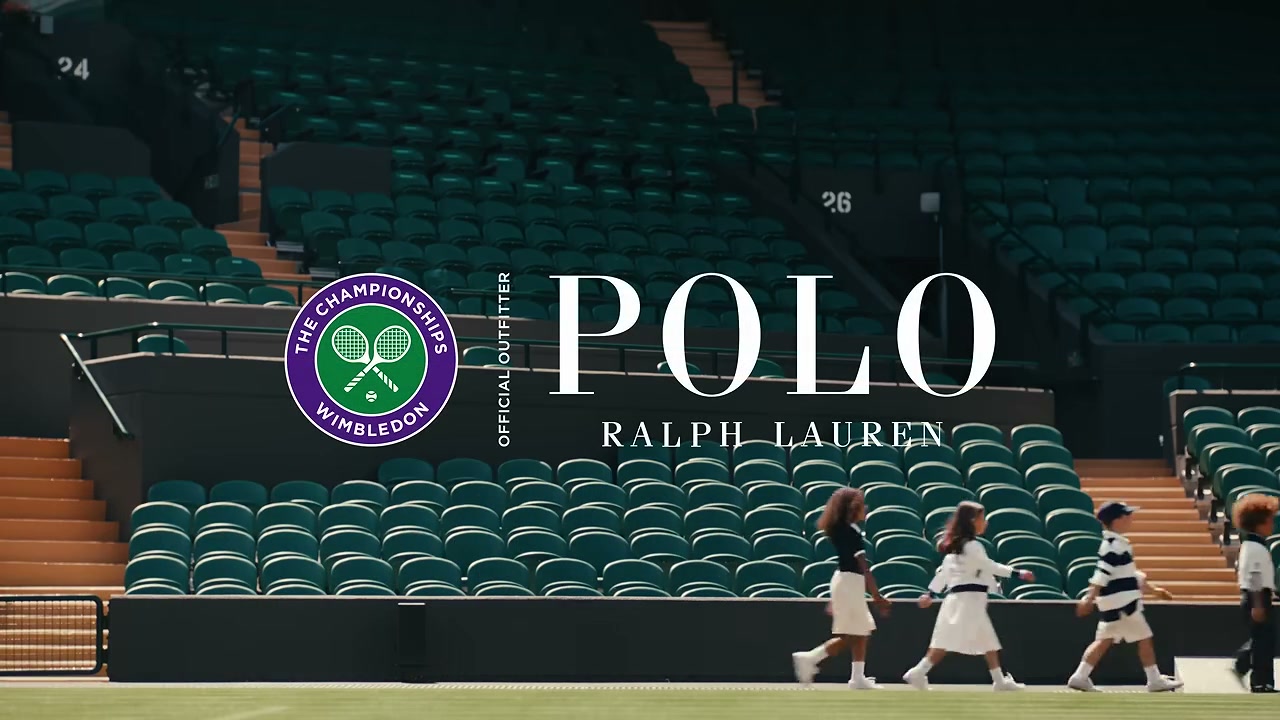
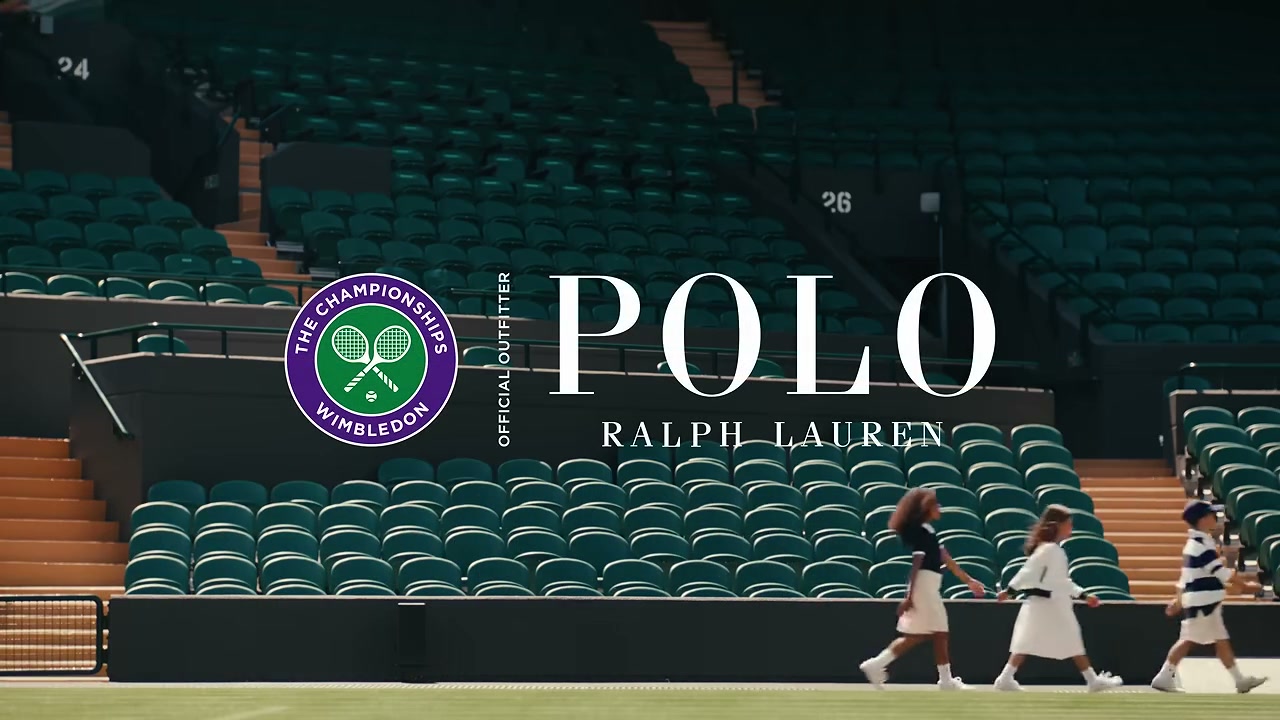
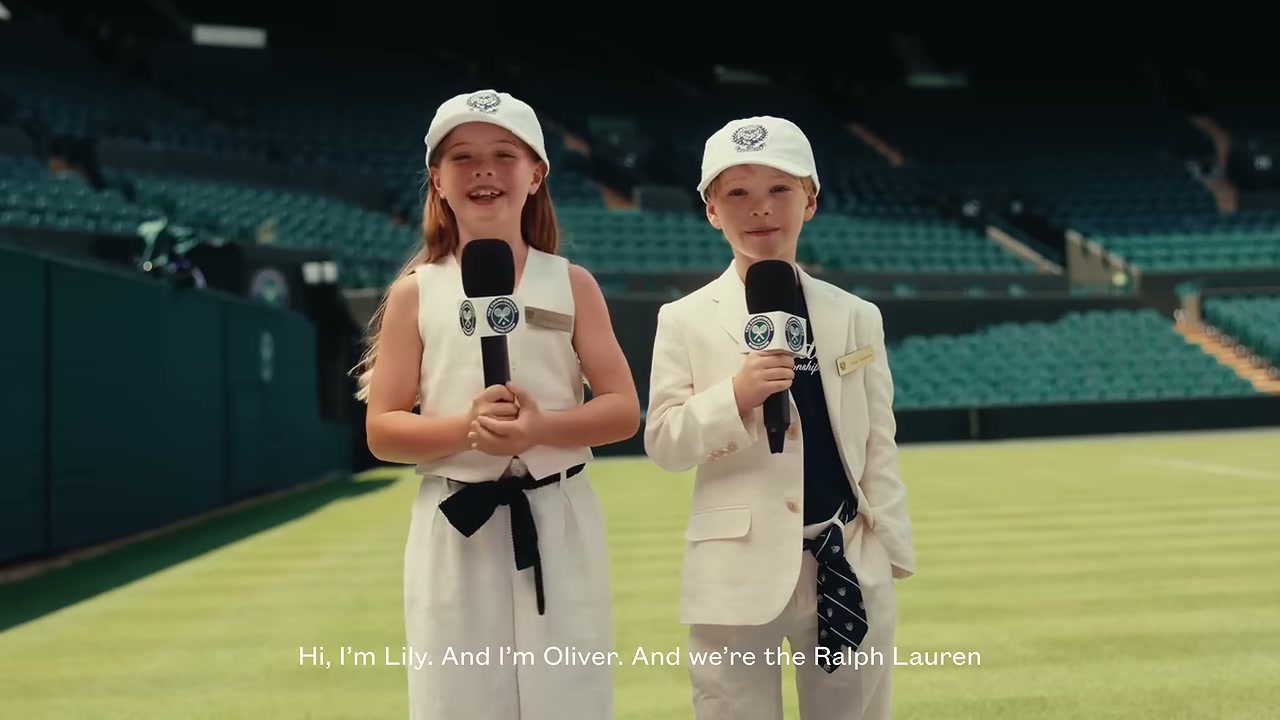
A slow establishing wide, brand supers, and a first cut at 4.48 seconds. One frame later the viewer has a button.
Real channel data
What the channel shows
Simulated response and channel reporting are two different kinds of evidence, so we keep them in separate sentences. Here is the second kind, straight from the platform.
During the paid flight, 98,998 views produced 8 likes. In the month after it ended, 822 people found the film on their own and left 19 likes.
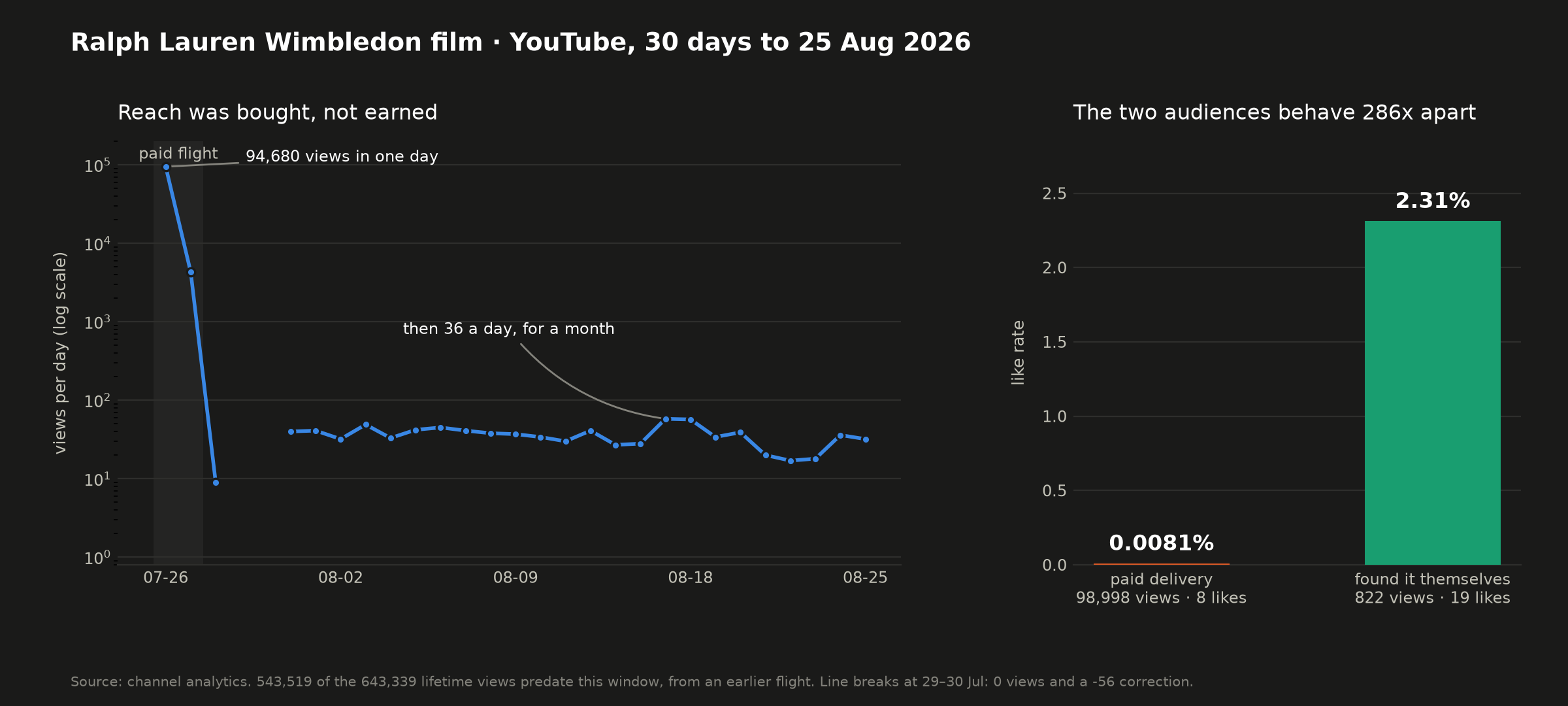
That gap is not a verdict on the creative, and we are not going to pretend it is. Nobody expects a bought pre-roll impression to behave like a chosen view — the two audiences are not comparable and never were.
What it does measure is what the spend actually bought: 98,998 deliveries of a film that only starts working once you are past the point where you can leave. The paid flight bought reach. It did not buy the part of the film that earns anything.
Where the film earns its attention
Twelve beats, each scored by all 179 viewers. Read as a curve rather than a total, it tells you where the edit is working and where it is spending time it hasn't earned.
Three things stand out.
The opening is 18 points below the peak, and the film takes 19 seconds to close that gap. Every other beat scores 72 or higher.
The small moments outperform the set pieces. A girl with binoculars at 59s scores 82. Children playing trumpets at 75s scores 84. Both beat the ten-second teamwork montage that sits between them.
Processing effort climbs through the second half as the interviews get more technical — 24.9 on the binoculars beat, 42.4 by the time Rufus the hawk arrives. Read that as effort, not as brain activity.
| Window | Beat | Engagement | Attention | Resonance | Brain load |
|---|---|---|---|---|---|
| 0–4s | Brand supers, children cross the court · weakest | 70 | 72 | 63.9 | 36.2 |
| 4–11s | Lily and Oliver introduce themselves | 75 | 80 | 71.1 | 30.6 |
| 11–19s | Montage of tiny professionals inspecting | 80 | 85 | 76.5 | 33.4 |
| 19–26s | VIPs, VVIPs, VVVIPs · peak | 88 | 90 | 80.0 | 26.2 |
| 26–36s | Teamwork, stadium, groundskeeper | 80 | 82 | 80.6 | 38.5 |
| 36–44s | Tiny Chiefs announce the interviews | 78 | 80 | 77.1 | 30.0 |
| 44–59s | Afternoon tea, the magic ingredient | 72 | 75 | 74.5 | 37.8 |
| 59–62s | Binoculars, the views | 82 | 85 | 81.0 | 24.9 |
| 62–75s | Ball boys and girls, uniforms | 79 | 81 | 78.0 | 40.8 |
| 75–84s | Trumpets on the court | 84 | 87 | 82.6 | 24.9 |
| 84–101s | Grass at eight millimetres | 85 | 88 | 82.7 | 41.3 |
| 101–122s | Rufus the hawk | 80 | 83 | 80.0 | 42.4 |
Median scores, 0–100, from 179 simulated viewers. Simulated response, not measured human viewing.
What we will and will not claim
Before we publish a read, we re-run it under a controlled variation to confirm the finding is about the film and not about how the film was described to the model. Three things follow from holding that standard.
We do not produce brand lift or recall
Both are between-arms measurements — you need an exposed group and a held-out control, and a simulated panel has neither. We do not report them, in this teardown or any other. Anyone quoting you a simulated lift figure is quoting you an invention.
We publish our validation status, not just our results
Our own pre-registered test of this metric against measured human viewing has not yet cleared its bar — it returned −0.142. We publish that rather than wait for a number we like better. A high score means the simulated panel liked the film. It is not yet proof that a real audience will.
The read also stops at 122 seconds of a 143-second film, so the ending and the brand sign-off sit outside it. That is the shaded band on the chart above, and we are not cropping it out.
What we would change
Two edits, in the order we would make them.
Put a joke in the first four seconds
The VVVIPs exchange works as a cold open. So does any of the tiny-professionals montage, which scores 80 at 11s. The establishing wide and the brand supers can follow once the viewer has a reason to stay.
Cut a separate edit for skippable in-stream
Keep all 143 seconds for owned and social, where people arrive by choice — the 2.31% like rate says the long film works for them. The paid placement needs a version built around the five seconds it is actually given.
Great creative, delivered to people who never got to the good bit. The distance between the two was about four seconds.
Key takeaways
→ The paid flight bought 98,998 views of a film whose best moment arrives at 19s. The skip control appears at 5s
→ All 179 simulated viewers reacted positively · peak 88/100 at 19–26s · weakest beat 70/100 at 0–4s
→ Channel data: 98,998 paid views produced 8 likes (0.0081%); 822 self-selected viewers produced 19 (2.31%)
→ The read took an afternoon and cost less than lunch. The flight it would have changed cost considerably more
Upload a cut and get a second-by-second read from a simulated audience before the media money is committed. Visit north-ai.com.
Tags: #CaseStudy #CreativeTesting #PreLaunchTesting #AttentionIntelligence #VideoAdvertising
Run this in the simulator
Drop in a video, image, or copy. Get attention, engagement, and emotional response across 7 platform models in minutes.